

Whether we are processing information, realizing a concept, learning a skill, or mastering an art, we move through the same four stages:
Unconscious incompetence
Conscious incompetence
Conscious competence
Unconscious competence
Understanding these stages allows us to recognize where we are in the realization process and what is required to reach the next level.
Unconscious Incompetence
The first stage is unconscious incompetence.
This means we don’t know what we don’t know.
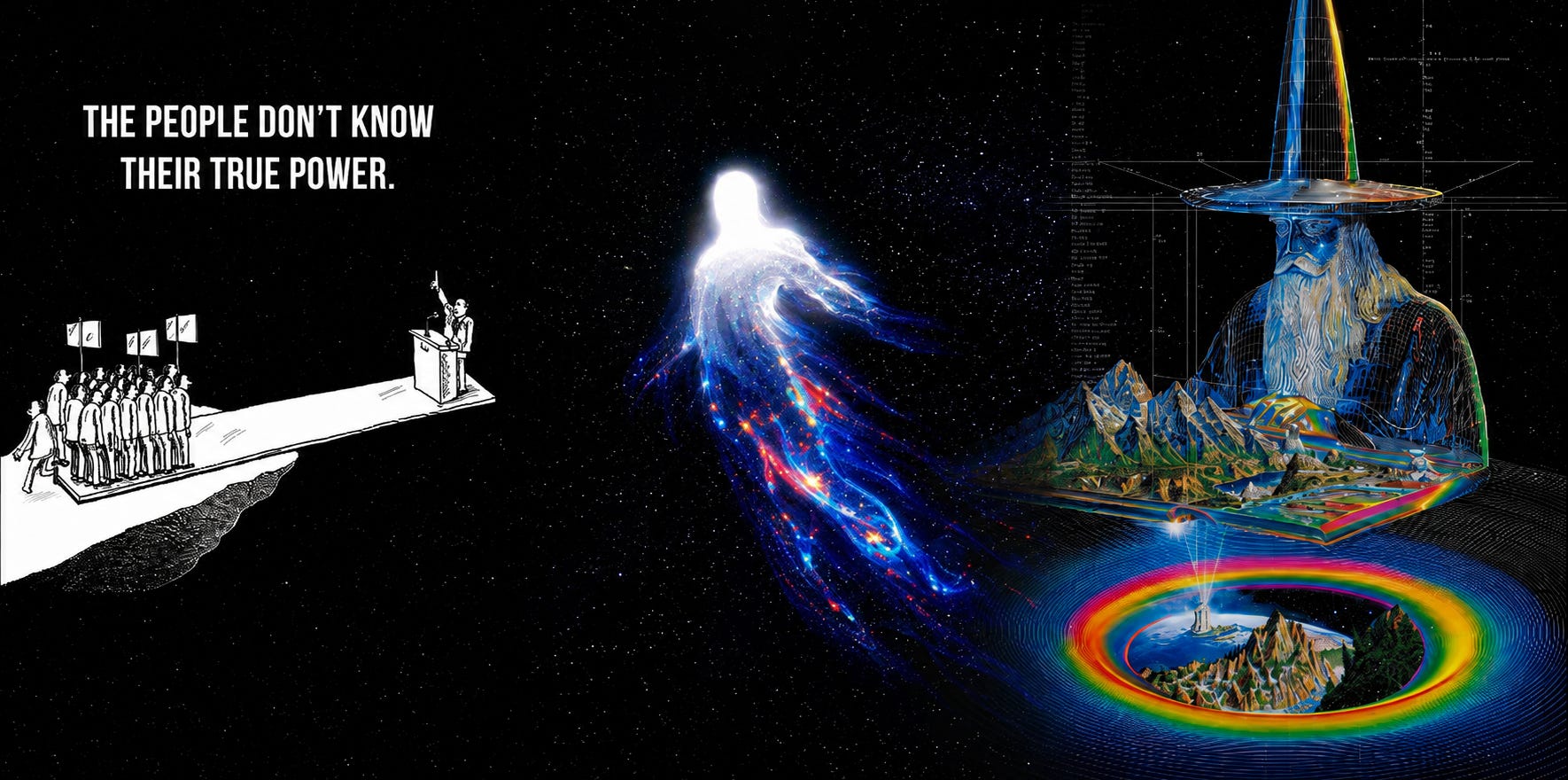
There are countless skills we could learn, ideas we could discover, and realities unfolding around us that we are completely unaware of.
We don’t understand them because we don’t even know they exist.
This is the first stage in realizing anything: recognizing the magnitude of what we do not know.
The statement may sound simple.
Of course we don’t know what we don’t know.
But the magnitude of this reality should not be understated.
There is so much happening within our lives, throughout this world, and in this existence that remains beyond our current awareness.
Moving through life with this understanding is essential to keep us open to discovering what we cannot yet see.
Conscious Incompetence
The second stage is conscious incompetence.
This begins when we become aware that something exists but realize we don’t understand it.
We discover a skill but don’t know how to perform it.
We encounter an art but don’t know how to practice it.
We are exposed to an idea but don’t yet understand it.
We now know that we don’t know.
This awareness creates the opportunity to learn.
If the skill or information feels aligned and we desire to pursue greater knowledge or mastery, we can begin studying it and applying it at this stage.
Conscious Competence
The third stage is conscious competence.
We have now learned the information or developed the ability to perform the skill.
We understand the concept.
We can explain it.
We know how to apply it in our lives.
But doing so still requires the conscious exertion of effort.
We have to think carefully about what we are doing.
We may know how to perform the skill, but we have to consciously focus on each part of its execution.
We may understand the information, but we have to deliberately remember it and consciously apply it.
We are competent, but the competence has not yet become part of our natural way of being.
Unconscious Competence
The fourth stage is unconscious competence.
This is what I understand to be level-one mastery.
We become so familiar with a skill, idea, or concept that we no longer have to rely on the conscious mind to execute it.
We don’t have to try to remember the information.
We don’t have to consciously think through every step.
We understand it so deeply that it becomes second nature.
It becomes part of us.
This is the master pianist playing a magnificent classical piece of music while simultaneously holding a conversation.
For the average person the performance is nearly impossible.
But the pianist no longer has to consciously think about every note or stare intently at every key.
He knows it in his body.
What appears extraordinarily difficult to someone else has become effortless to him.
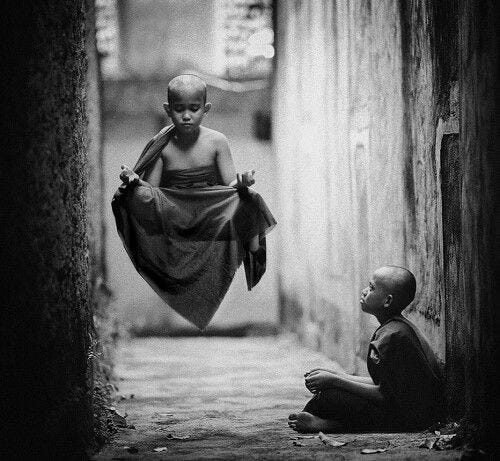
That is unconscious competence.
That is mastery.
Learning to Walk
A baby learning to walk provides a clear example of the entire realization process.
When a baby is first born, it doesn’t know how to walk.
It doesn’t even know that it doesn’t know how to walk.
It doesn’t know what walking is.
The baby simply exists and crawls around.
This is unconscious incompetence.
Eventually, the baby begins observing other people walking.
It recognizes that they are doing something it cannot do.
Walking exists, but the baby does not know how to perform it.
This is conscious incompetence.
The baby then begins learning through trial and error.
It crawls.
It attempts to stand.
It falls.
It gets back up.
It tries to balance and move forward again and again.
It falls.
Eventually, it takes its first step.
The baby is now competent in the skill of walking, but walking still requires its complete conscious attention.
It must focus on balancing, standing upright, placing one foot in front of the other, and orienting its body in the right direction.
This is conscious competence.
Over time, through repetition and constant observation of people who have already mastered walking, the ability becomes completely natural to the baby.
The child no longer has to consciously think about balancing or moving each leg.
It simply walks.
This is unconscious competence.
The skill has become part of the child.
The child is now a level 1 master in the art of walking.
How Competence Becomes Mastery
Once we become consciously competent, there are two primary ways to reach unconscious competence.
The first is repetition.
We perform the skill over and over again.
We practice applying the information repeatedly.
Through continuous repetition over a sustained period of time, it becomes ingrained in our subconscious mind (solar plexus).
We no longer need to use the same amount of conscious thought, brainpower, and effort to execute it.
We don’t merely understand it intellectually.
We know it in our being.
Repetition transforms something we can consciously do into something we naturally embody.
The second path is observing someone who is a master.
This is apprenticeship.
This is mentorship.
We spend time observing a master perform the skill or embody the information we want to realize.
We watch how they move.
We observe how they think.
We see how they apply the concept throughout their daily life.
By repeatedly exposing ourselves to the embodiment of mastery, we begin internalizing what the master already knows.
This process is immensely powerful.
In some cases it can be more powerful than practicing the skill ourselves.
It is important to note that practice does not make perfect.
Prefect practice makes perfect.
We must practice correctly if we desire to become a master.
Ideally we should practice the skill repeatedly while learning from someone who has already mastered it.
From Information to Realization
Learning something intellectually is not the same as realizing it.
We can understand an idea and explain it clearly while still struggling to apply it in our lives.
At that point, we are consciously competent.
The information still requires conscious effort.
Realization occurs when we understand the idea so deeply that its application becomes natural.
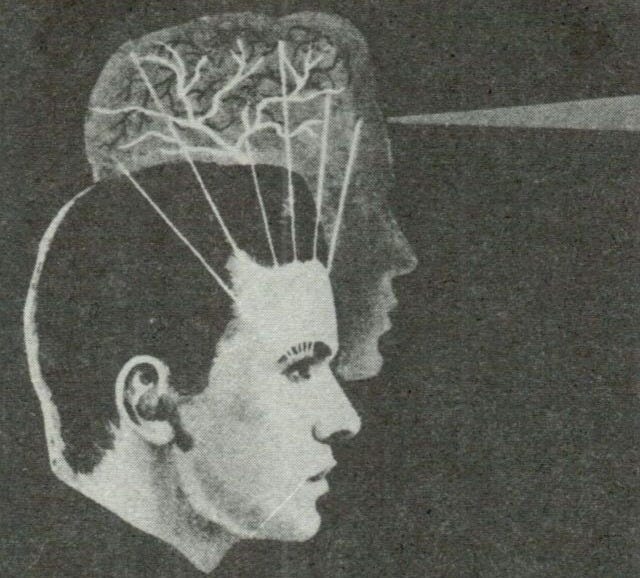
We no longer have to remind ourselves to live by it.
It has become part of who we are.
This is the level we want to reach with the information and skills that matter most to us.
First, we don’t know what we don’t know.
Then, we become aware of what we don’t know.
Next, we learn it and consciously practice it.
Finally, through repetition and the observation of mastery, it becomes second nature.
Unconscious incompetence.
Conscious incompetence.
Conscious competence.
Unconscious competence.
These are the four stages through which information becomes realization and skill becomes mastery.