

Most people in today’s society believe they are free.
They can say what they want and believe what they choose.
Freedom of speech. Freedom of religion.
They can pick a career or start a business.
Free marketplace.
On the surface, we get to decide how we live our lives.
We are not bound by chains or forced to take orders.
These freedoms are important, but they don’t necessarily mean we’re truly free.
Any keen observer of modern society realizes our freedom of speech and free marketplace are uncertain.
For the sake of this perspective, humor this:
We may be free to say what we want, but are we thinking our own thoughts?
We may be free to pursue what we want, but are those desires actually ours?
Even though we may be free to choose our life path, who gave us the choices we are choosing from?
The absence of visible chains does not equal freedom.
In todays society, more of us are enslaved than ever before.
Modern slavery is simply more difficult to recognize because the cage is inside our minds.
Most people don’t know that they’re in it to begin with.
True Freedom
True freedom is: doing EXACTLY what WE TRULY DESIRE to do (at any given moment)
This may sound simple.
It is not.
If we take this statement seriously, we are confronted with three existential questions of the human experience:
Who am I?
What do I truly desire?
Am I present enough to know?
We cannot do what we truly desire if we don’t know who we are.
We cannot know what we truly desire if our desires have been handed to us.
And we cannot recognize what we truly desire at any given moment if we are never actually here.
True freedom therefore requires a level of self-remembrance, self-awareness, and presence.
It requires us to look beyond all of the inauthentic characteristics and identities we have subconsciously assumed since birth; beneath everything we have been taught about who we are.
Who Am I?
Most of us build our identities around external labels.
We say, “My name is Sally. I work in tech! I was born in California. I’m 32 etc..
Notice the structure:
Who are you?
I am what I do for work.
I am where I was born.
I am my name, race, nationality, status, etc..
These are all external labels that may describe parts of our lives, but they do not answer the deeper question of who we truly are.
You are not merely what you do for a living.
You are not merely the place where you were born.
You are not merely the letters that spell your name.
You are far more.
Most people never stop to examine these surface level identities.
Their sense of self is created completely unconsciously.
Imagine you’re someone who has spent twenty years building a career you never truly wanted.
Your work gives you status, certainty, and a clear answer whenever someone asks, “What do you do?”
Then one day, you realize that you chose the career because it was respectable.
You chose to become a doctor, lawyer, accountant, finance bro, or take over the family business because your parents approved of it, because society rewarded it, because it made sense on paper.
Because no one would question your decisions.
But it was never truly yours.
When you come to this realization, it doesn’t only threaten your career, but it threatens your entire sense of self.
If I am not this role, then who am I?
This is where self-remembrance begins.
We start to peel back all the superficial identities and inauthentic characteristics we have formed throughout our lives.
We release the versions of ourselves that we created to be accepted and understood by other people.
If, and only if, we find the courage… we begin to remember who we were before the world told us who to be.
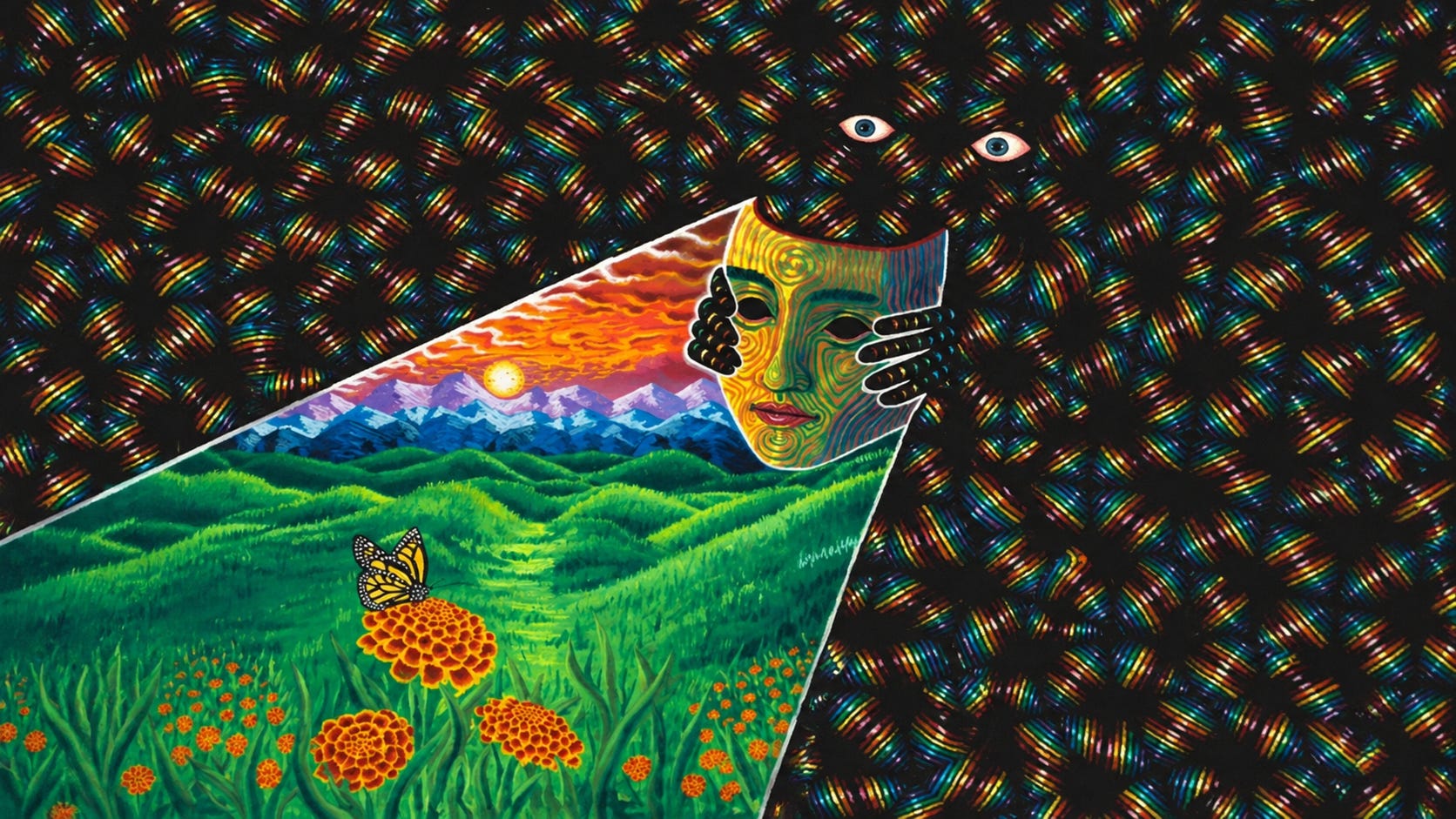
What Do I Truly Desire?
Once we begin questioning who we are, by osmosis, we must also question what we want.
Most people assume that they chose their ambitions, hobbies, tastes, opinions, and dreams...
But how many of those desires were shaped entirely by what society celebrates?
How many were influenced by our parents, friends, culture, schools, workplaces, media, and institutions?
How many of our goals are simply socially approved ways of showing others that we are successful?
Most people spend their entire lives pursuing things without ever asking why they want to do those things in the first place; without ever considering the true energy that informs their decisions.
One of the most powerful questions we can ask ourselves is extremely simple:
Why am I doing what I’m doing?
Then ask it again, and again, and again.
You think you want to be a nurse?
Great. Why?
“Because I need to support myself and my family.”
Great, but considering there are infinite ways to generate currency, why nursing in specific?
“Because I want to help people.”
Amazing, but there are also infinite ways that you can help people. Why do you want to be a nurse in specific?
You see the deeper we go, the more we begin to realize that most of us have absolutely no idea why we’re doing anything.
For most people, forces outside of themselves dictate their entire lives.
The more layers of the onion we peel back, the more inauthentic desires begin to fall away.
And this can be deeply unsettling.
We come to realize that the life we thought we wanted, the life we worked so hard to build, was based on desires that were never truly ours to begin with.
The Necessity of Presence
Even if we begin to remember who we are and uncover what we truly desire, freedom still requires one more thing: presence.
We can only know what we truly desire at any given moment if we are actually in that moment.
Most of us are not.
We are bogged down by intense fits of self-consciousness that completely inhibit us from experiencing the present.
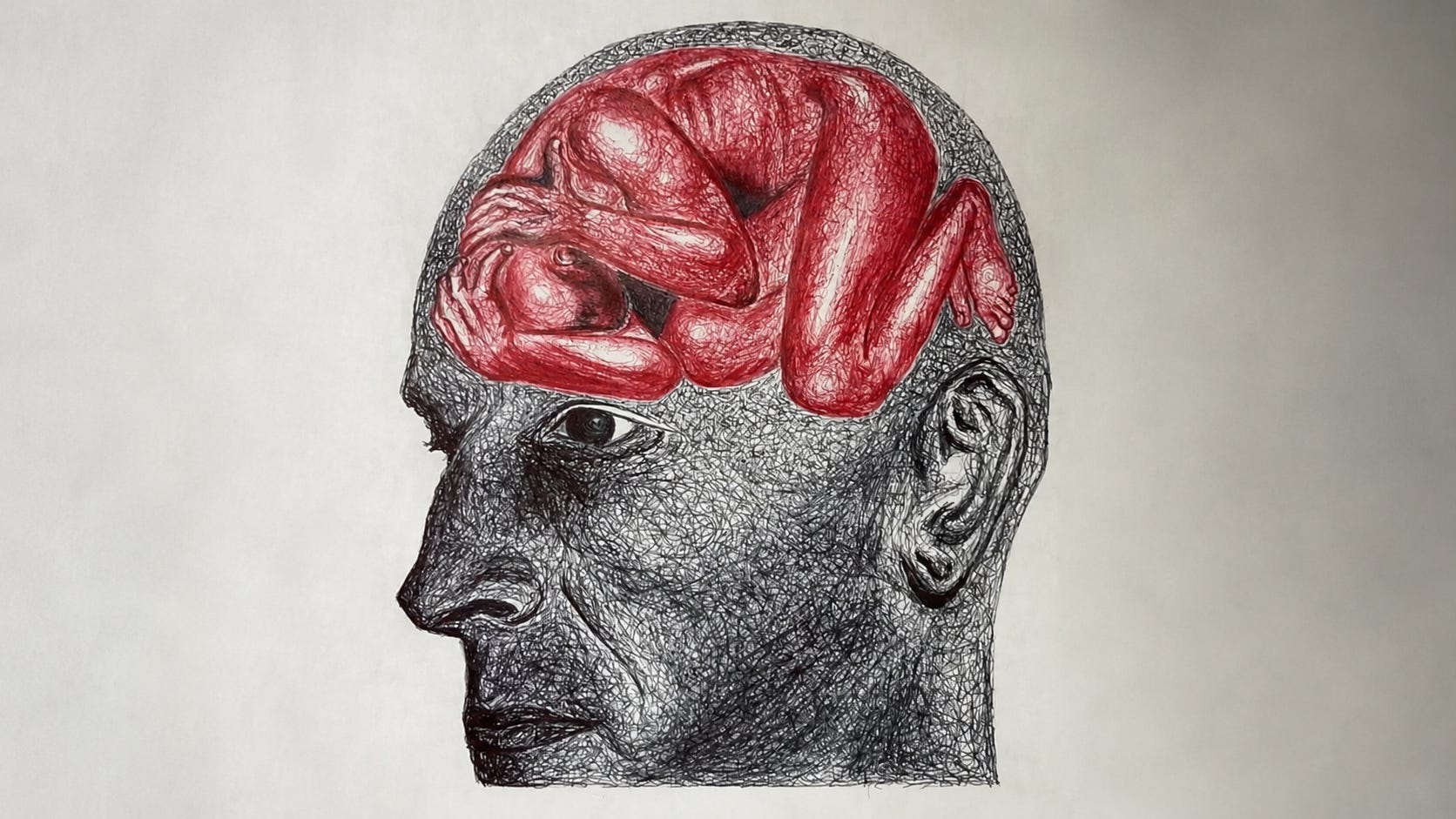
If not that, we are constantly replaying the past: unhealed traumatic events, nostalgia, or reminiscing about the good old days.
If not that, we are completely attached to a future outcome of how we think we want our life to play out out or… completely paralyzed by fear, worry, and doubt about failure and the opinions of others.
We plan how we think our lives should unfold so we can feel safe inside the uncertainty of being alive.
And the more attached we become to the plan, the less available we are to live life right now.
We decide today what we think we’ll want next year. Then we spend the present moment serving a decision made by a past version of ourselves.
Meanwhile, our soul may be pointing somewhere else.
Life may be opening a door we never planned to walk through.
Our deepest desire may be changing in real time.
The universe may be screaming at us but we’re trapped in memory, consumed by anticipation, or incapacitated by self-consciousness and fear, so we’re completely oblivious.
Plans can organize our lives.
But when we allow them to become our authority and our escape from the uncertainty of the human experience… they separate us from the only place where freedom can exist:
Here.
Now.
Where every single thing is created.
The Uncertainty of True Freedom
By now it is clear that true freedom creates chronic uncertainty.
Once we release the superficial identities that gave us certainty, we no longer know who we are.
Once we question our borrowed desires, we no longer know what we want.
Once we become present, we can no longer pretend to know exactly how our lives will unfold; or how we think we want them to.
There is no longer a checklist telling us what we should accomplish at twenty-five, thirty, forty, or fifty years old.
There is no predetermined path telling us what a good life looks like.
All that’s left is this moment and our ability to meet it honestly.
At this stage, we are left staring into the abyss of uncertainty with the two questions:
Who am I?
What do I truly want?
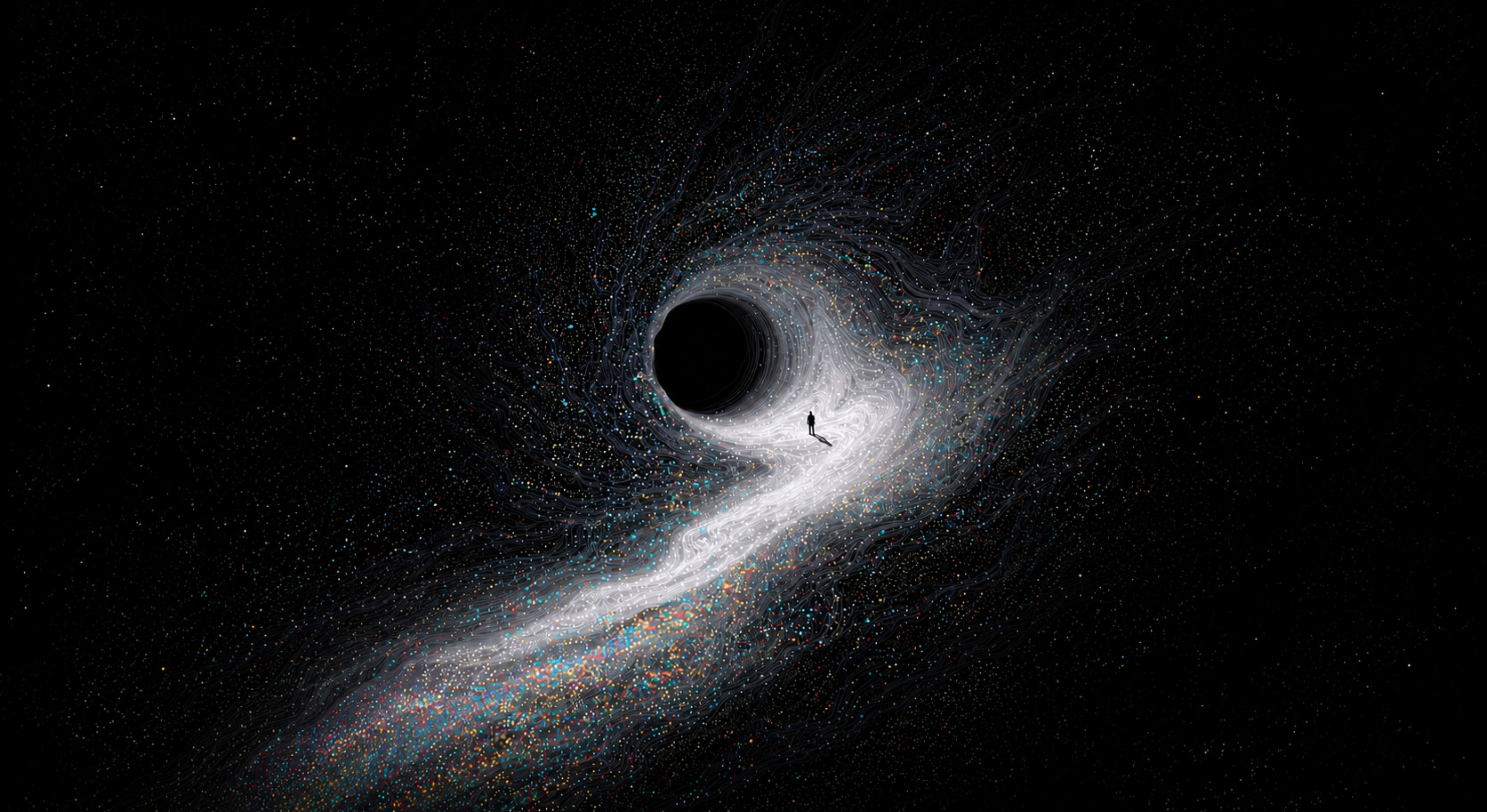
Most people never get this far.
The uncertainty is far too uncomfortable.
So they escape it through conformity.
Conformity is the Escape:
Rather than embarking on the journey of self-remembrance, people adopt culturally accepted answers.
The convention.
All of their desires are socially approved.
Every opinion that they form is a result of mainstream perspectives.
Their entire personalities are a product of mainstream culture.
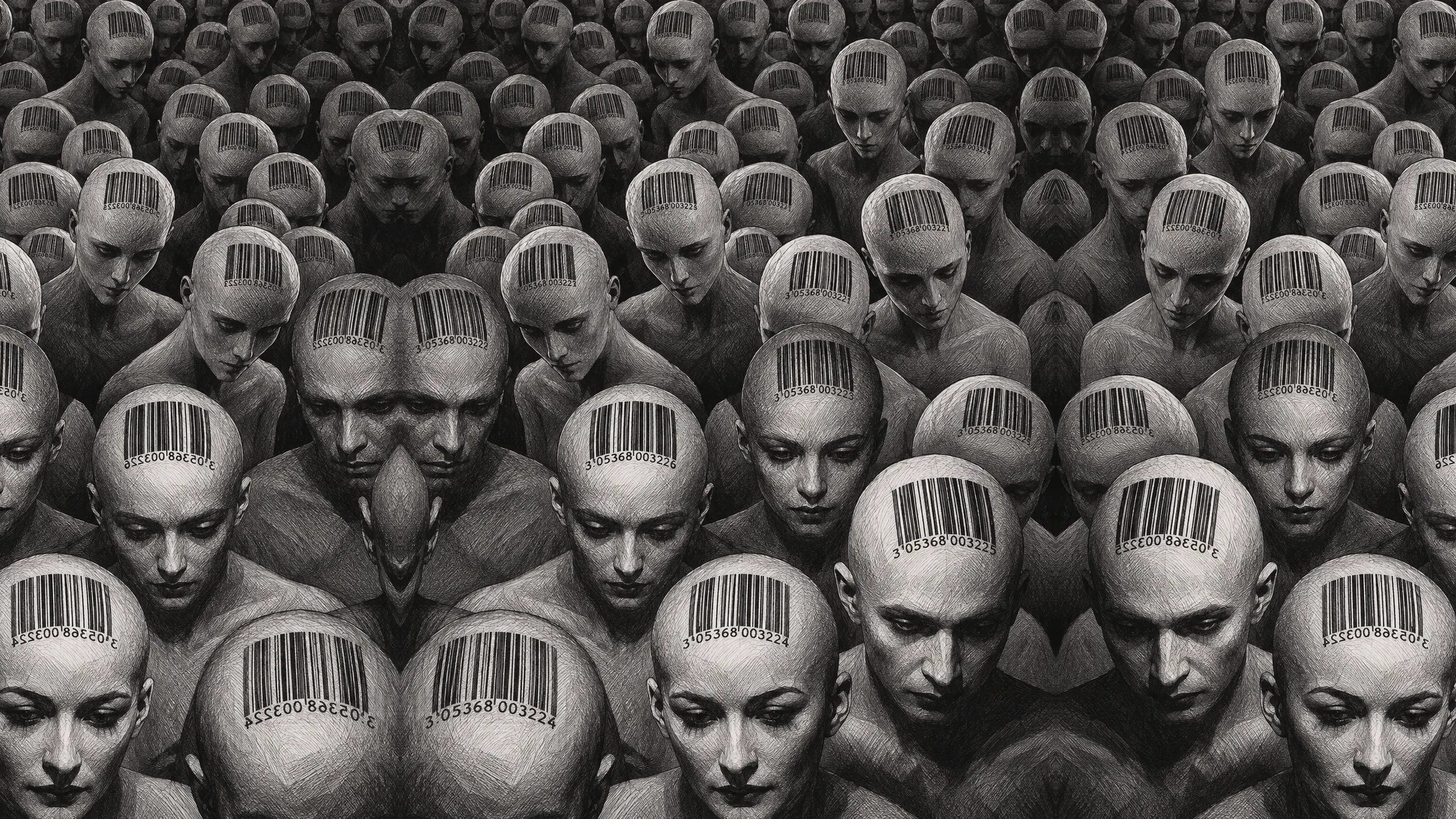
Their hobbies, careers, and ways of life have all been chosen from the pool of options society has already declared normal, respectable, productive, or successful.
The crucial point is that this happens unconsciously.
People don’t think, “I am going to surrender my individuality and become whatever society wants me to be.”
They experience these borrowed desires as their own.
Most people sincerely believe:
“I am living my life the way I want!”
“I like pickleball.”
“My dream is to be a millionaire.”
“I am genderless.”
“I am a ferret.”
“Sports”
“Politics”
Etc..
This is my personality.
This is the life I chose.
This is the automaton:
a person who appears to be choosing their life freely while unconsciously reproducing patterns supplied by society, culture, peers, and institutions.
The automaton believes it is an individual who is living authentically.
Automatons believe they are free.
But if your thoughts, desires, identity, and direction have all been supplied from external sources, what exactly is free?
The Invisible Cage
This is perfect slavery because the slaves believe they are free.
There are no visible chains.
There is no master giving commands.
The people police themselves and direct their entire lives according to societal expectations they no longer recognize as external.
They hold the key to their cage, but they do not know they are inside one.
This is darkness.
If we spend our lives pursuing borrowed desires, we may achieve everything we were told to want and still feel empty.
Hence the overwhelming percentage of people who find themselves on their deathbed realizing the vast majority of their true desires went unfulfilled.
Or the plethora of wealthy people who are chronically depressed.
Most people live their entire lives completely disconnected from themselves…
That is why this question matters.
What does it mean to be truly free?
Without freedom, there can be no true fulfillment.
Automatons will never experience what it feels like to truly express themselves.
They will never experience freedom.
They will never experience the magic of life.
Because they are essentially robots.
Their souls level of consciousness will stay stagnant or even decrease throughout their lifetime.
The Path Toward Freedom
True freedom is not simply having more money or more options.
It is not merely being able to say what we want and believe what we choose.
True freedom is becoming conscious enough to recognize our own unique life purpose on this earth.
It is developing the self-awareness to question the identities and desires we have inherited and becoming present enough to feel where life is guiding us right now.
Most importantly, true freedom requires the courage to live authentically in a performative society that rewards conformity.
This is not discovering one permanent identity and replacing the old character with a new one.
It means we stop relying on a script to tell us who we are.
We become willing to enter the uncertainty of every moment without pretending that we already know what we want or where our life is going.
This uncertainty is not a problem to solve despite what society suggests.
It is the space where true freedom actually becomes possible.
It is where spontaneity, creativity, love, joy, and genuine self-expression begin.
It is where the magic of life resides.
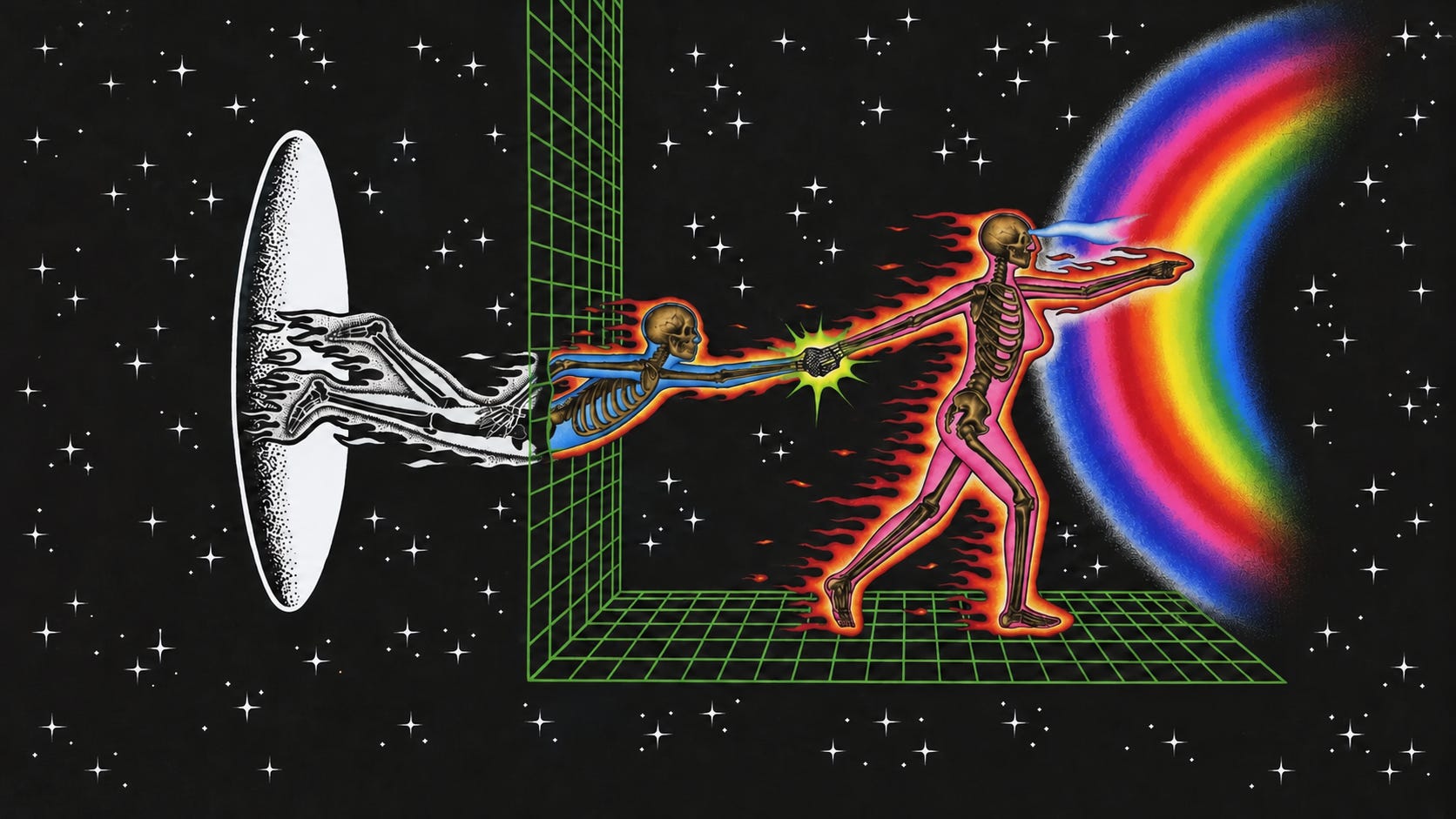
The path toward freedom begins when we stop asking the world who we should be and become quiet enough to remember who we are.
It begins when we stop assuming that every desire in our minds belongs to us and we return to ourselves, in this moment, and listen.
Most people believe they are free because they cannot see their chains.
True freedom begins when we become conscious enough to see them and courageous enough to let them go.
the term automaton is used as described by Erich Fromm in his book “Escape From Freedom”